“In the Shadow of the Syrian Mountains”
في ظلال الجبال السورية
Documentary Film.
Directed by: Khuzama Aldebs & Cédric Domenjoud
Short Treatment
The Shadow of the Syrian Mountains tackles the complex and often controversial topic of Syrian minorities in a country where ethnic and religious affiliations have often, if not always, been weaponized for political control.
At a time when a regime embodied by members of a minority—the Alawites—has collapsed to make way for a new power claiming to represent the majority—Sunni Muslims—it seemed crucial to explore how communities excluded from power struggles might feel and how they manage to survive.
This film is therefore about resistance, self-defense, and insubordination.
Khuzama is Syrian. She is not religious, but belongs to the Druze community, which settled on the “Arab Mountain” (southern Syria) in the 18th century. The city of Suwayda was founded there, and a century and a half later, Khuzama grew up in a nearby village.
As such, she is a daughter of the mountains.
Until 2020, Khuzama knew only the Assad dictatorship, then, in the five years leading up to the fall of the regime, she moved to France, where she settled with her partner, Cédric. That is where the story of “us” began, which will bring this film to life.
When protests resumed in Suwayda in 2023, we decided to raise awareness about them, with the faint hope that the Assad regime would eventually fall. Immersed in the history and present of the Druze mountain, we wanted to find a way to tell the story of their unwavering struggle for freedom and self-determination, for their land and for their dignity.
Then the regime fell unexpectedly, so nothing was holding us back anymore and we left for Syria in February 2025. We stayed in Suwayda for five months, during which time the transitional government took back control of the dictatorial regime.
We were therefore on the ground when government forces and their Islamist allies attacked the province, before carrying out the worst massacre in its history. In the hours leading up to our evacuation from the regime’s imposed siege at the end of July, we witnessed the murderous fury that befell them, and us…
Once again, the Druze were not conquered, but part of their world was destroyed, and it is now necessary to recount the betrayed aspirations of this community, which imagined itself to be Syrian to the very end.
We decided that Khuzama would introduce us to her community, allow us to meet its members and representatives, and share her analysis and feelings about the six months that severed the ties between Syria and its Druze community, but also between Khuzama and the rest of her world.
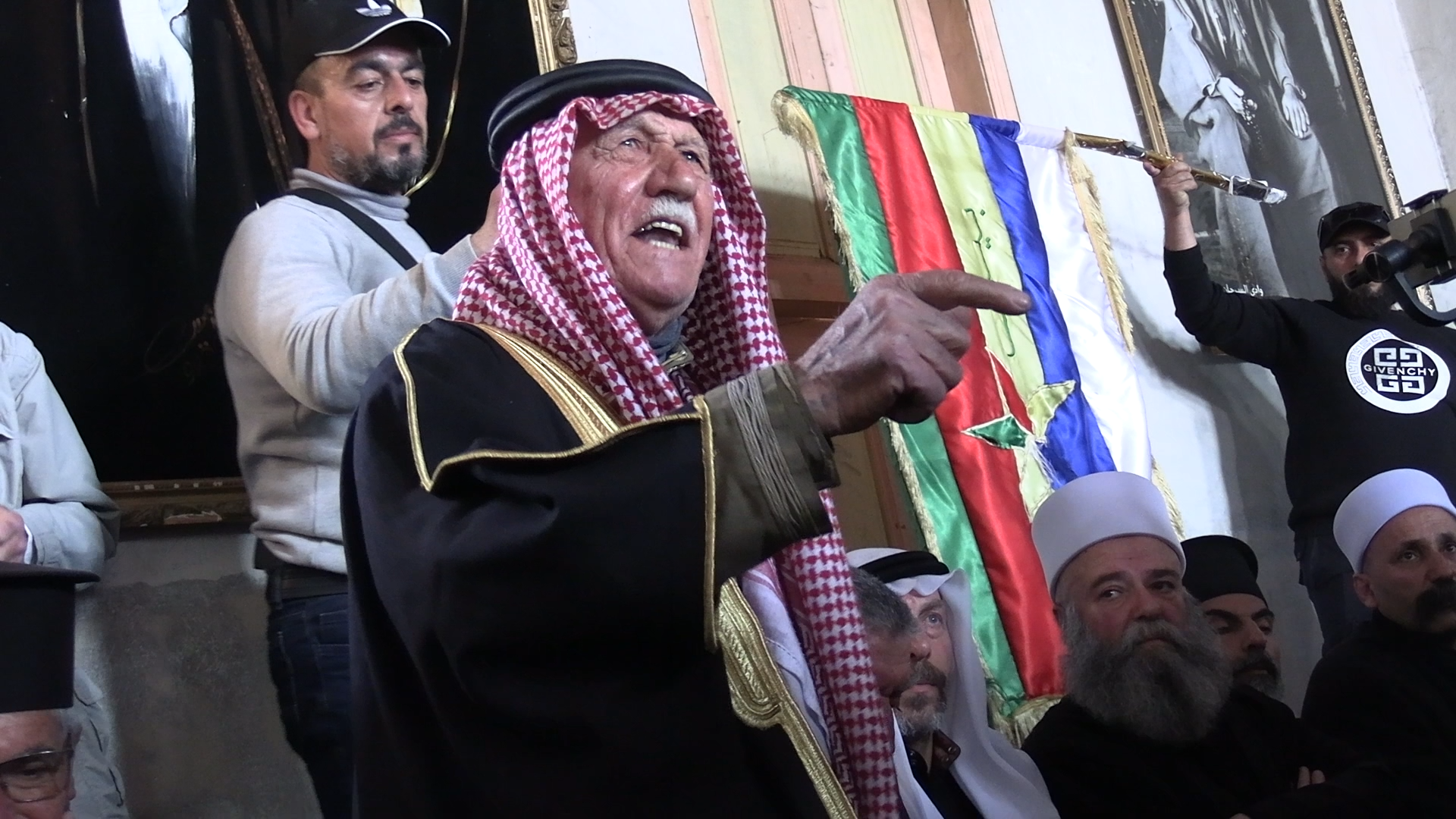
During our time there, we recorded more than 50 hours of footage. We met with members of the community, faction leaders, and spiritual leaders, whom we questioned about their relation to the central authority and the principles and values that drive them.
We collected testimonies from Druze fighters who mobilized in their thousands to defend their families and their land. We then documented the consequences of the massacre that took place between July 13 and 20, 2025. Although death brought our journey to an end, it will not be the end of our movie, because it is the battle for life that we are interested in here.
We were accepted with our camera in a region where no one has made an accomplished documentary to date, so many of our images and testimonies are unique. Some of the people we interviewed have been killed, others excluded from the community, while many of the places we visited have now been destroyed and military occupied.
Synopsis
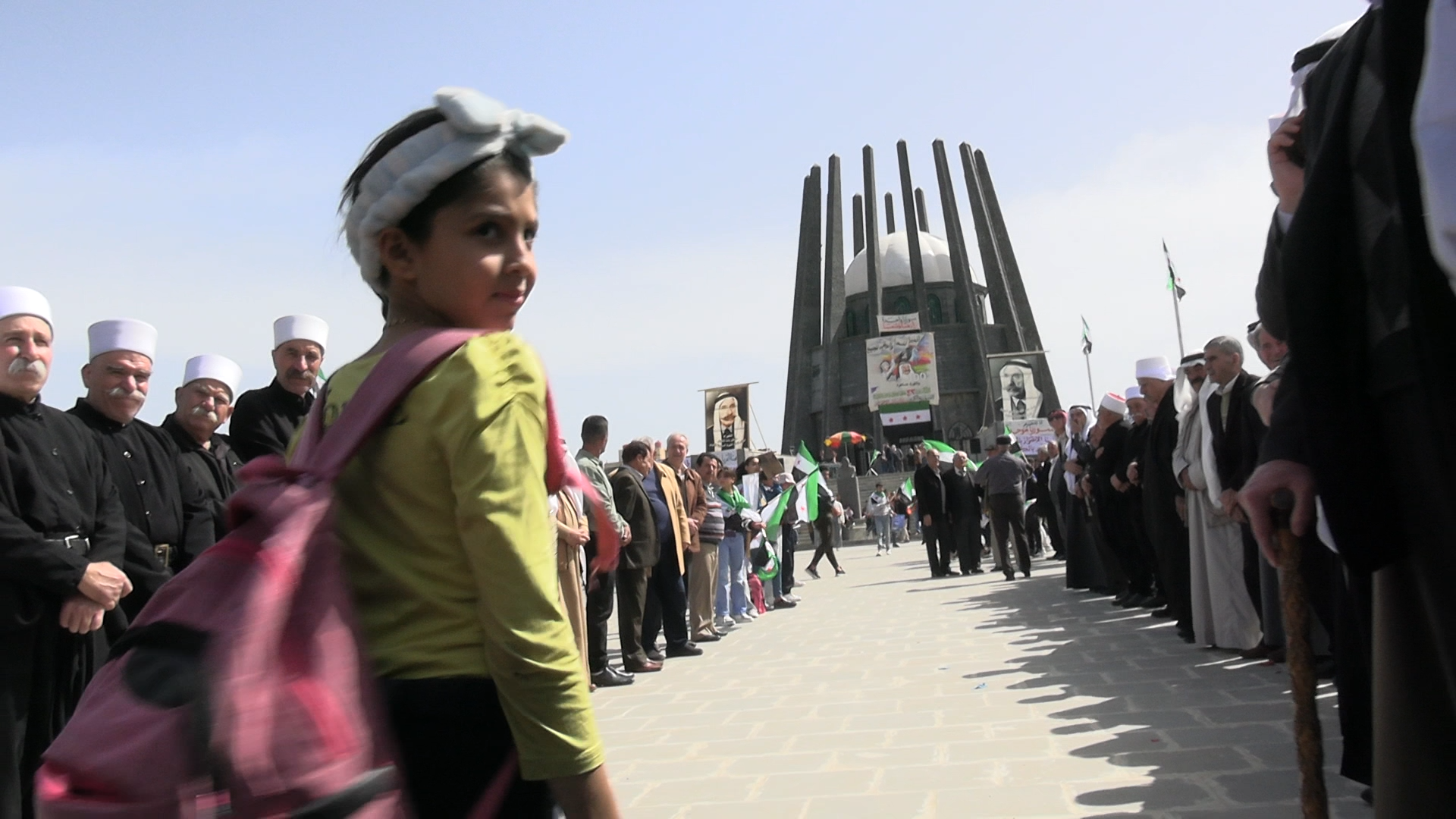
Over the last three centuries, the Druze Mountains (southern Syria) have resisted all those who sought to subjugate them: the Ottomans, the French, and then the Syrian central government over the last 70 years. Many have attempted to enslave them, but most have failed. In Suwayda, admiration is due to those who stood up to the colonizers and tyrants: Sultan Basha al-Atrash, Kamal Jumblatt, Khaldun Zein ed-Din, and Wahid al-Balous…
Under Assad father and son, the Druze wavered between neutrality and rebellion, and the region was always punished, marginalized, neglected, and therefore autonomous against its will. As a result, Suwayda still resembles a large village today, known for its landscape scattered with volcanic rocks, but also for the spirit of independence and unconditional hospitality of its inhabitants.
Dignity and generosity are values for which the Druze are willing to give their lives..
Khuzama, born in Suwayda in the early 1990s, returns to her country after five years in Europe, just as Bashar al-Assad’s regime has been overthrown. She guides us through her community and its representatives, gathering their testimonies about Syria’s past, their aspirations for Syria’s future, and their feelings about the new central government in Damascus.
Following the timeline of the five months spent on site, the film confronts the words of these men and women with Khuzama’s sensitive and critical eye, as well as with current events. During this short six-month filming period, armed violence by the central government and its Islamist militias first knocked on the province’s door in April, before overwhelming it at the end of July. The statements made by community leaders, delivered in the comfortable and peaceful setting of their living rooms, were then brutally brought into reality, giving the daughter of the country the opportunity to assess the accuracy of their analysis and the sincerity of their intentions.
An intimate and political documentary that switches between the personal accounts of the mountain’s inhabitants and defenders and the reflections of Khuzama, who explores her community with a blend of affection and lucidity.
The places
The film takes place in the governorate of Suwayda, located between 50 and 150 kilometers south of Damascus. For five months, we filmed from east to west in nearly twenty locations across the province, where we conducted formal interviews with nearly a dozen community leaders and informal interviews with many residents of the region.
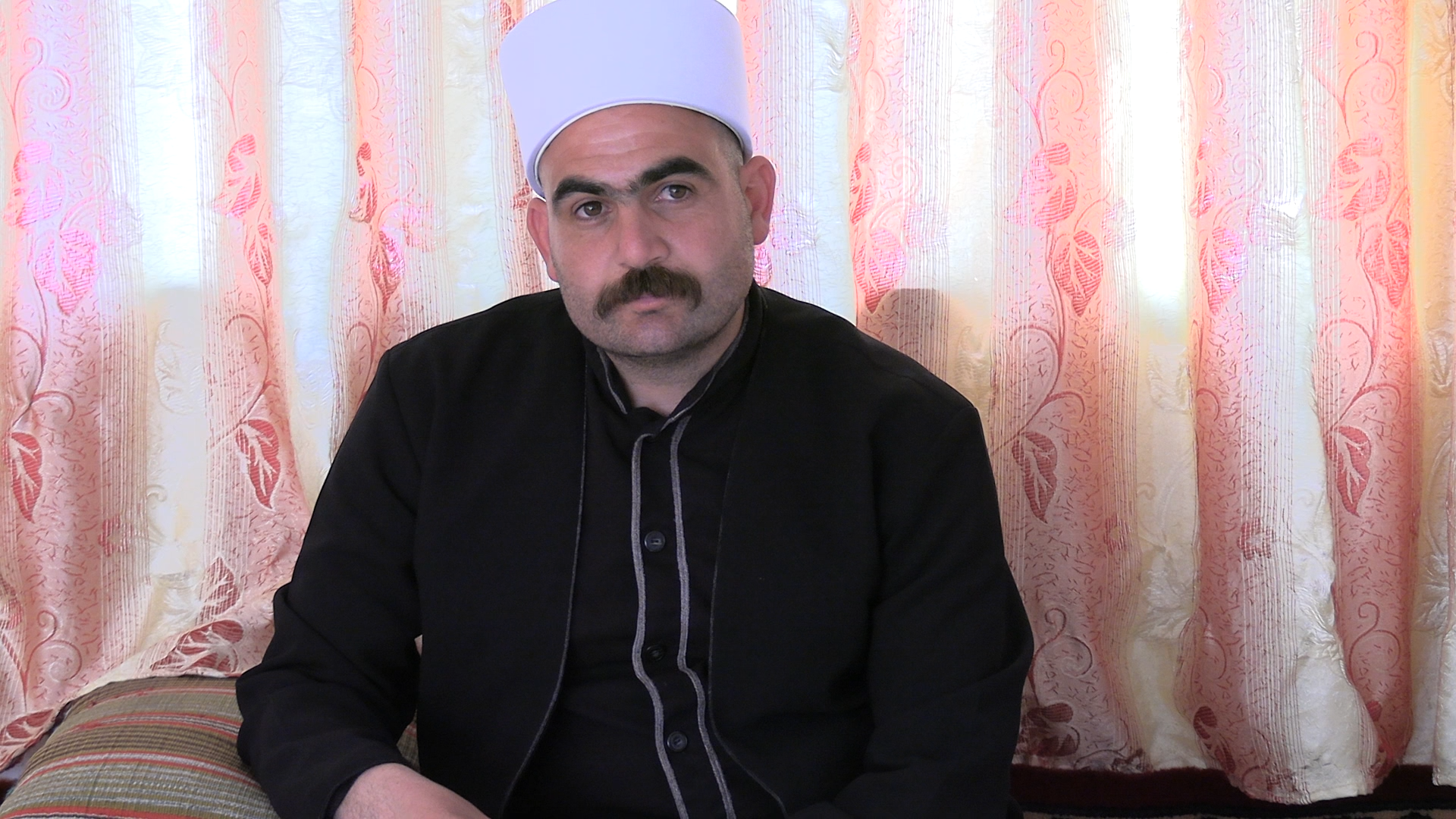
The Druze have a tradition of leaving their homes open and welcoming visitors into a public guestroom, the Madhafeh (مضافة), where you are offered coffee before anyone even asks why you have come to visit.
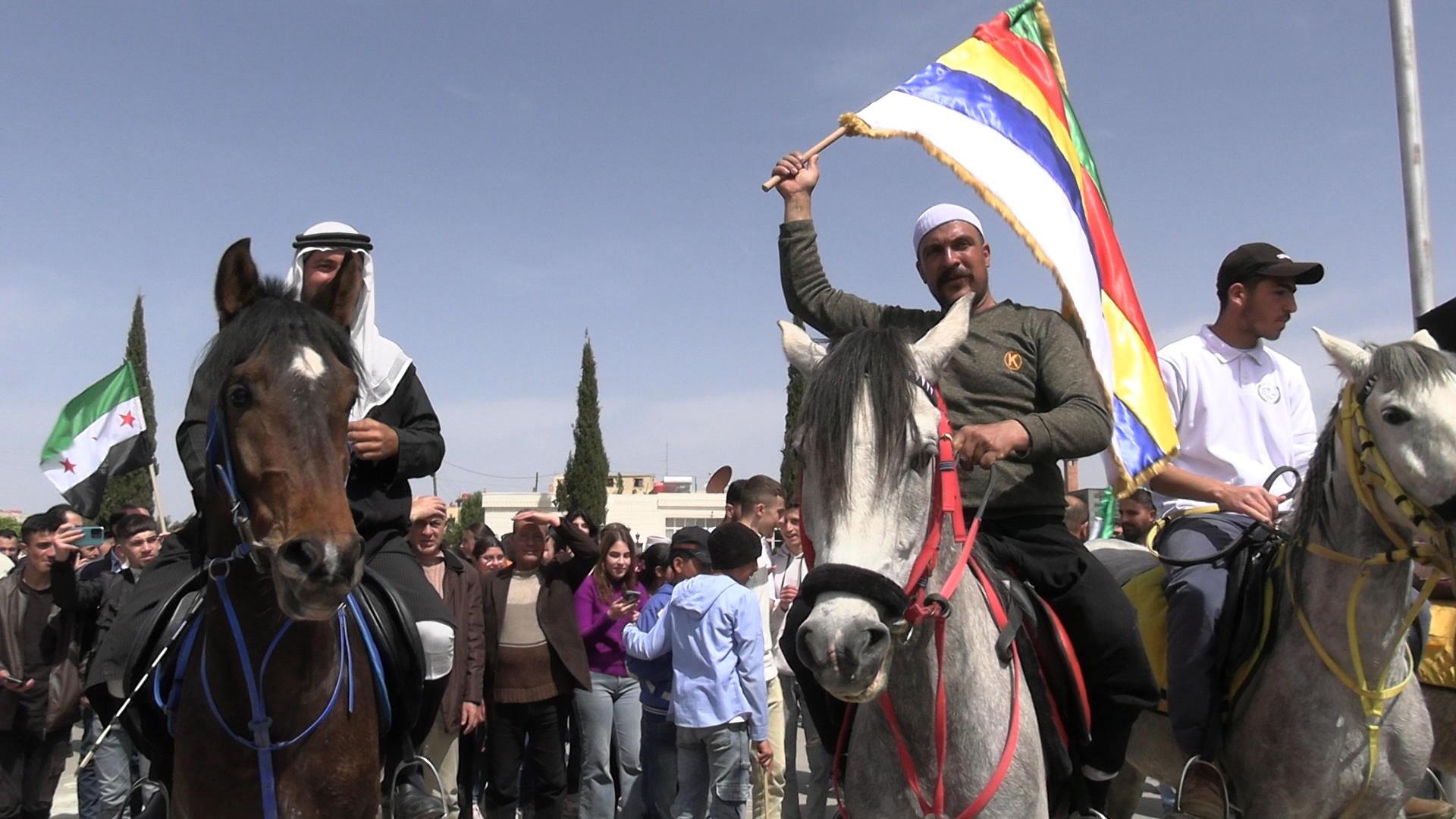
Many of our meetings therefore took place in the serenity of these places that embody Druze hospitality, but also in the hubbub of the streets that betrays the vitality of a region that has been stifled for too long and is now thirsting more than ever for life and freedom.
The rest of the time, our camera shows landscapes and scenes from everyday life…
Until violence came along and turned everything upside down…
The key-players
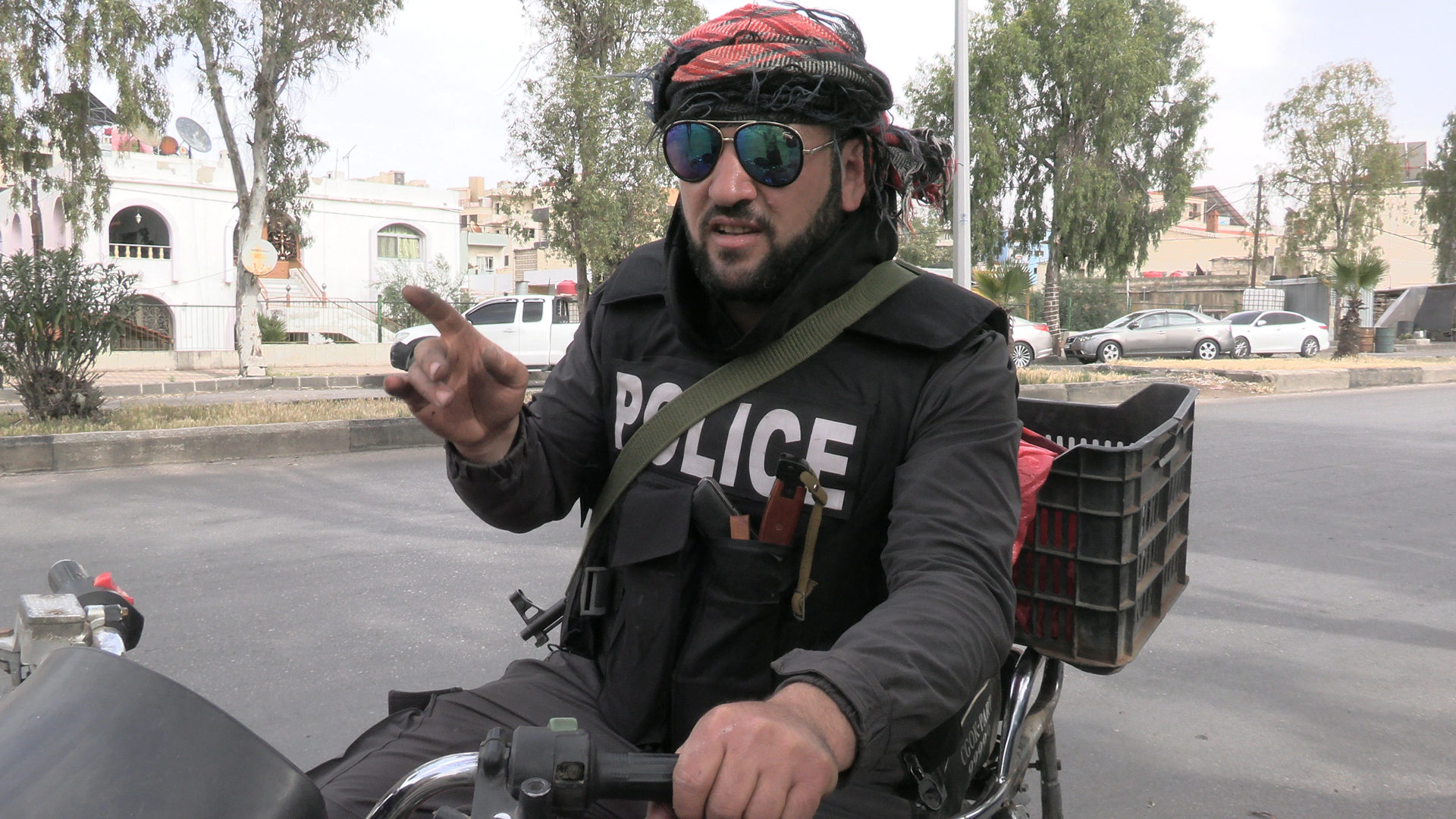
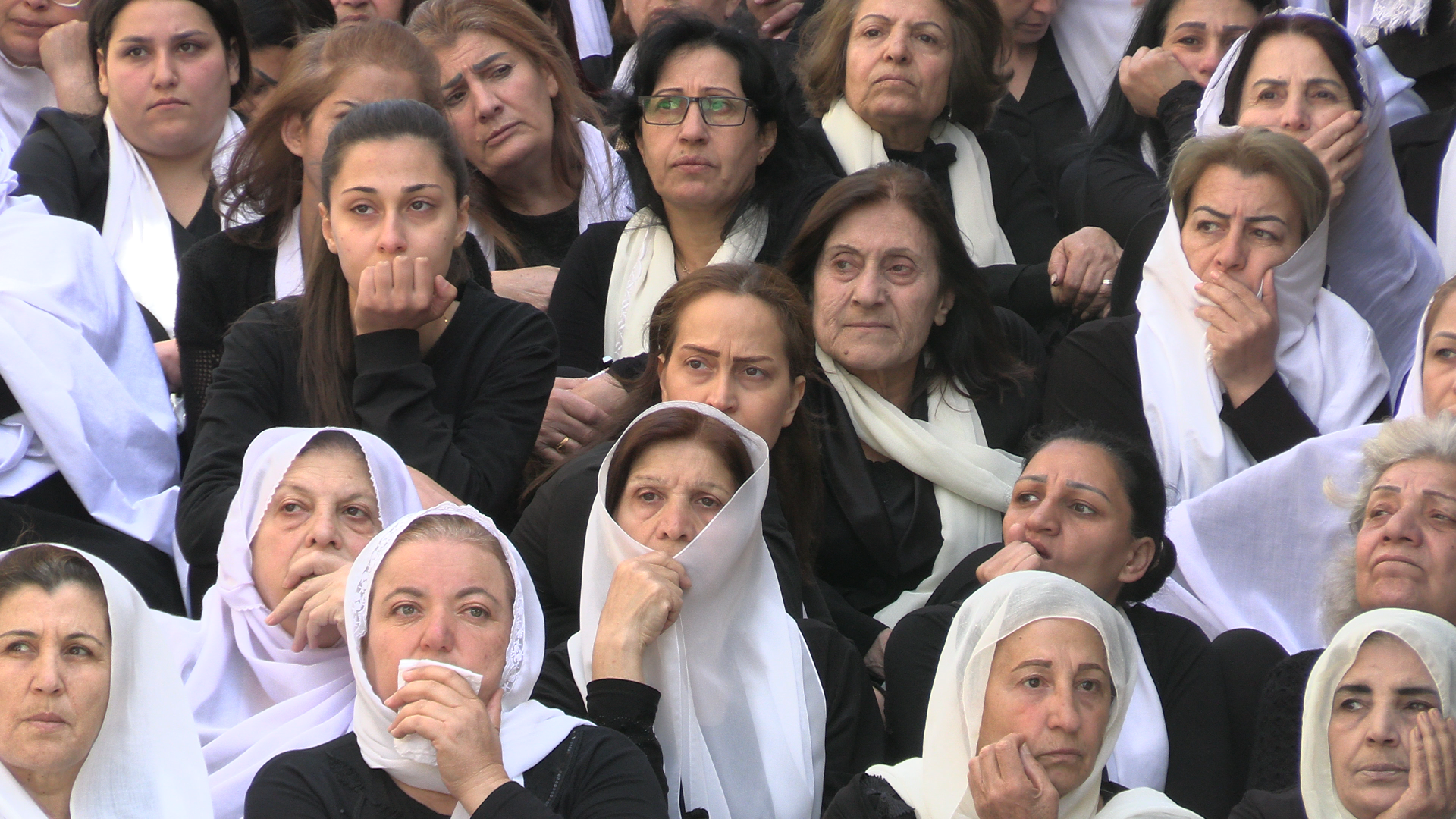
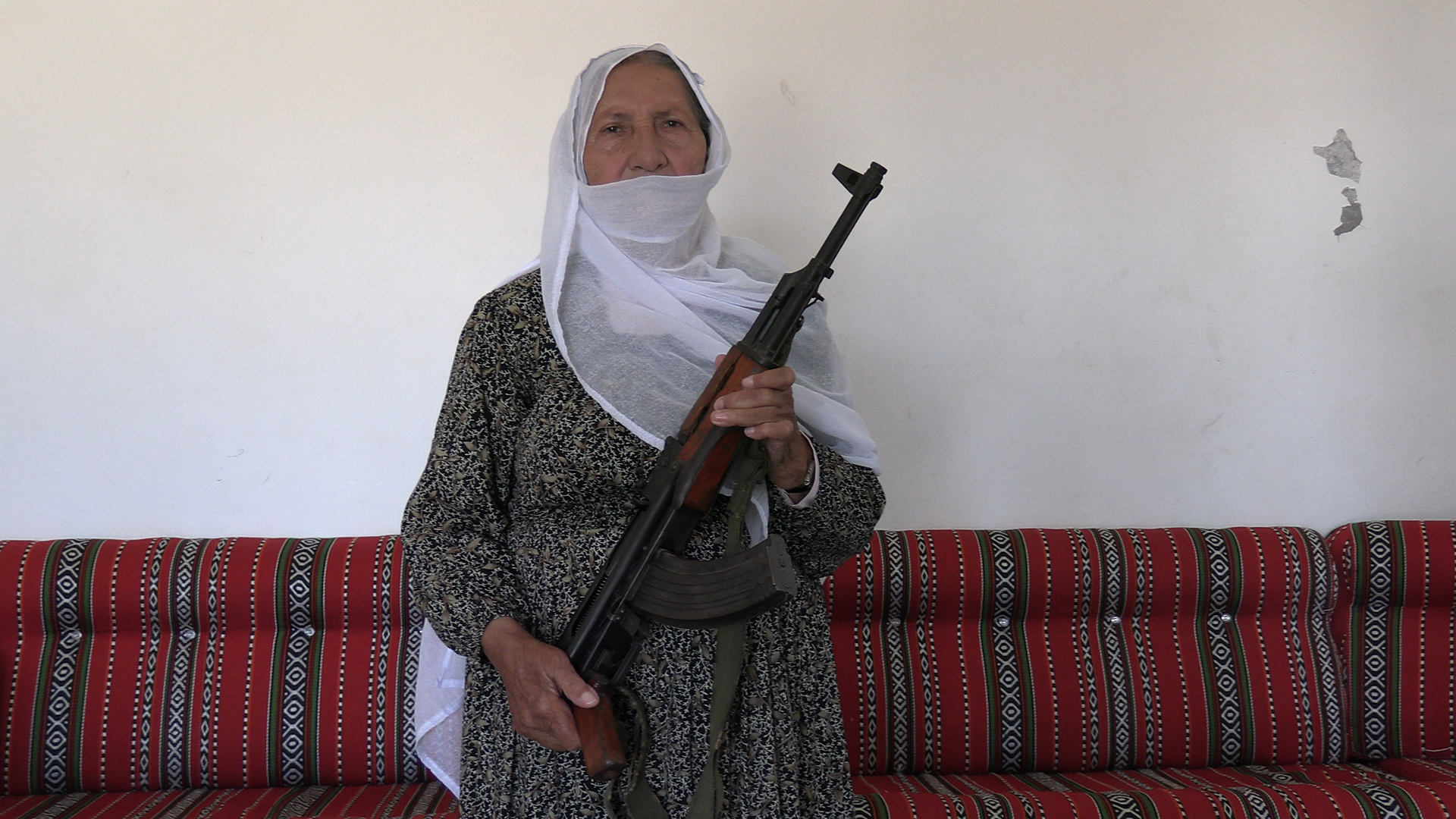
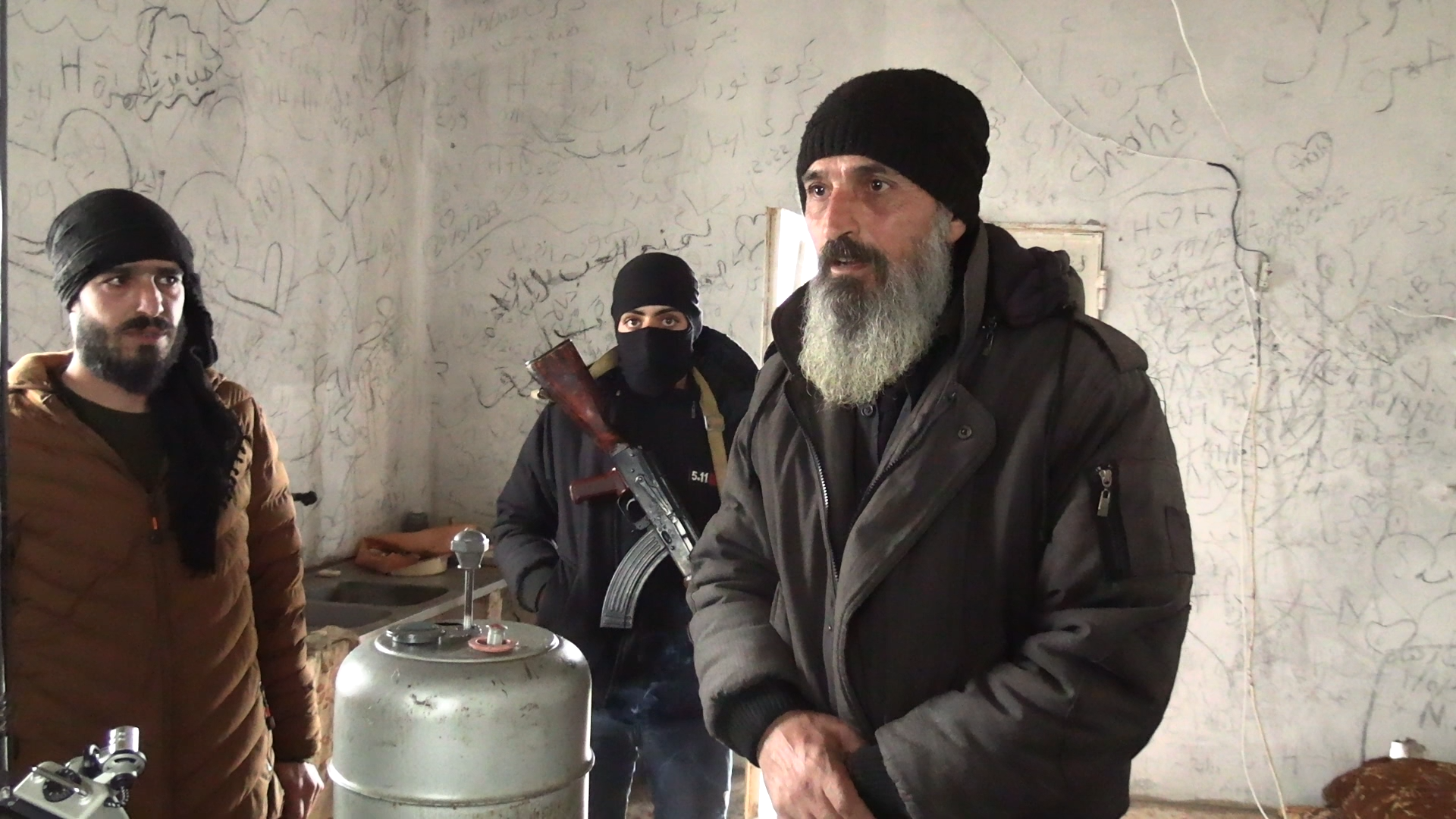
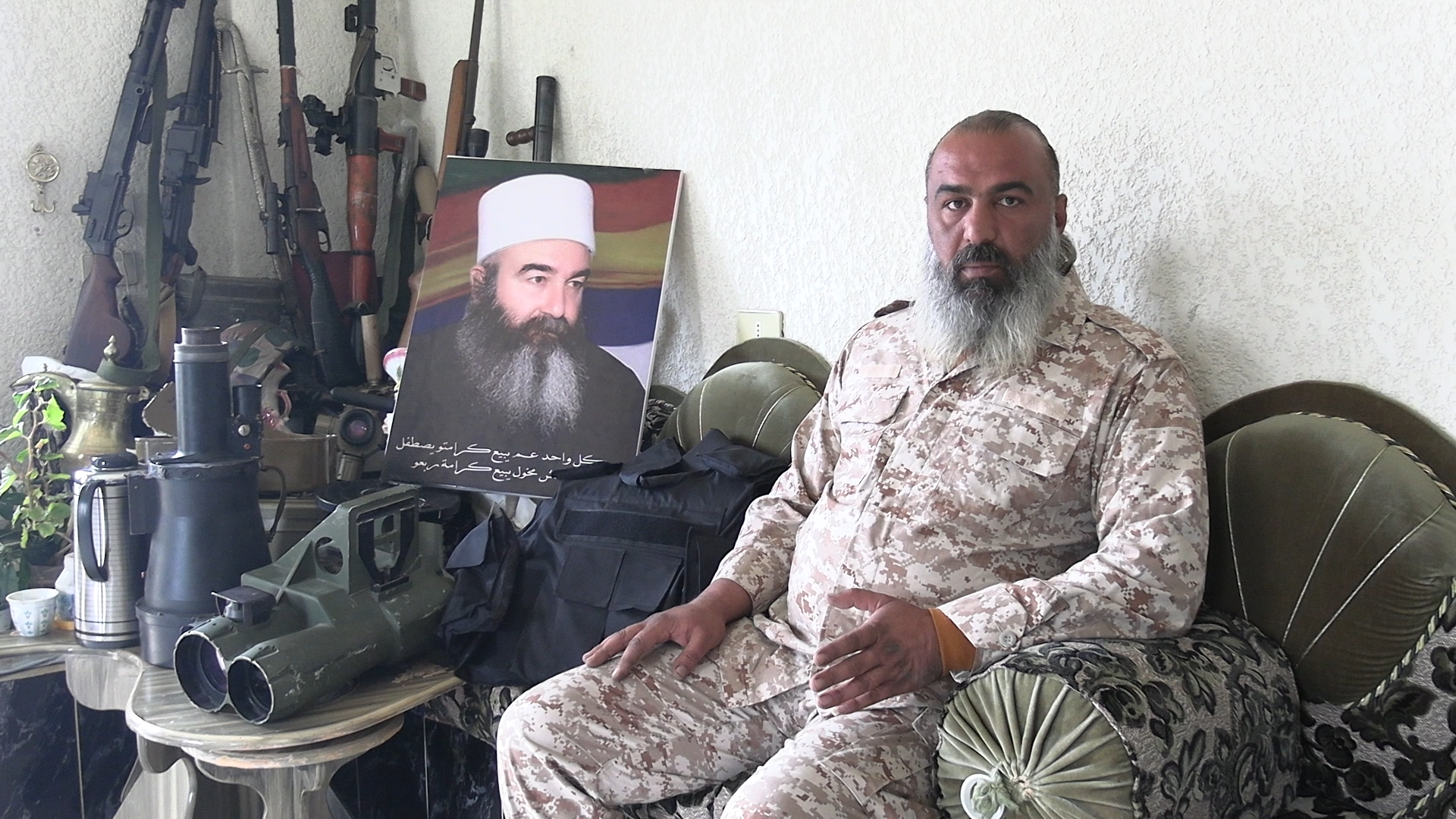
A COMMUNITY – The main protagonists are the men and women who make up the Druze community. They tell us how painful their relationship with the central government and the rest of Syria is, and how freedom here cannot be conceived without guarantees of security. The Druze are in fact a religious minority whose survival depends entirely on being heavily armed. Many of the people who appear in the film therefore carry weapons without doing so as part of their job.
A DAUGHTER OF THE LAND – If Khuzama appears relatively sparingly in the images shot on location, it is because she is not the subject, but rather our guide, our interpreter, who will convey her reality to us in images shot afterwards. These images are intended to be intimate, as close as possible to her emotions, between reflections spoken aloud and silences that sometimes convey her feelings better than words that are too difficult to find.
A MOUNTAIN – Black rocks, white peaks, apple trees with red horns and almonds that are eaten raw with salt. The mountain is diverse, so it has several names—Jebel al-Arab, Jebel al-Duruz, Jebel Hauran—but it is humble and discreet, so we don’t necessarily notice it. Yet it is there, everywhere, in the hearts of the people who live there. If they care so much about it, it is because the mountain is part of the family, and as such, it is an important figure.
ENEMIES – They cross the desert to bypass the mountain and attack at dawn. They are what the Mountain fears most. We will not see them, but the film will also talk about them, and we will hear their cries of war. If it weren’t for them, Suwayda would have no weapons.
Intended audience
Our film aims to reach an international audience who may have heard of Syria, but know little or nothing about Suwayda and its inhabitants. It is an intimate, sensitive, political documentary that seeks to provoke thought, or rather, to provoke feeling. It is embodied, rooted in the red earth and black rocks of a mountain that served as a refuge for the filmmakers and their loved ones, but which now seems threatened. It aims to inspire love for the Druze ecosystem without resorting to propaganda, to show both the strengths and weaknesses of a human community, but also to expose the painful reality facing it. The perspective is modest: to bring a community to life in the minds of those who were unaware of its existence and, perhaps, to inspire viewers to help rebuild the broken bridges that once connected the plains and the mountains.…
Artistic approach
In the Shadow of the Syrian Mountains adopts an intimate, embedded documentary approach rooted in presence rather than explanation. The film is shot handheld, often alone or in small groups, embracing the instability and immediacy of lived experience.
Inspired by Syrian films such as For Sama, Little Palestine, The War Show, and Our Terrible Country, the visual language favors proximity over polish. The camera does not observe from a distance; it breathes with those it films. Imperfection becomes a strength, reinforcing trust and emotional truth.
Khuzama’s voice is central. She never appears in full, but we feel close to her, as if we were right beside her, listening to her softly telling us how she feels, as if she were confiding in us. Most of the shots of her were not filmed on location in Suwayda, but afterwards, with the necessary hindsight. Her voice-over continues to speak to us when she is not on screen. Her reflections structure the film and create a dialogue between events and introspection. She is both guide and subject, insider and observer, embodying the tension between attachment and disillusionment.
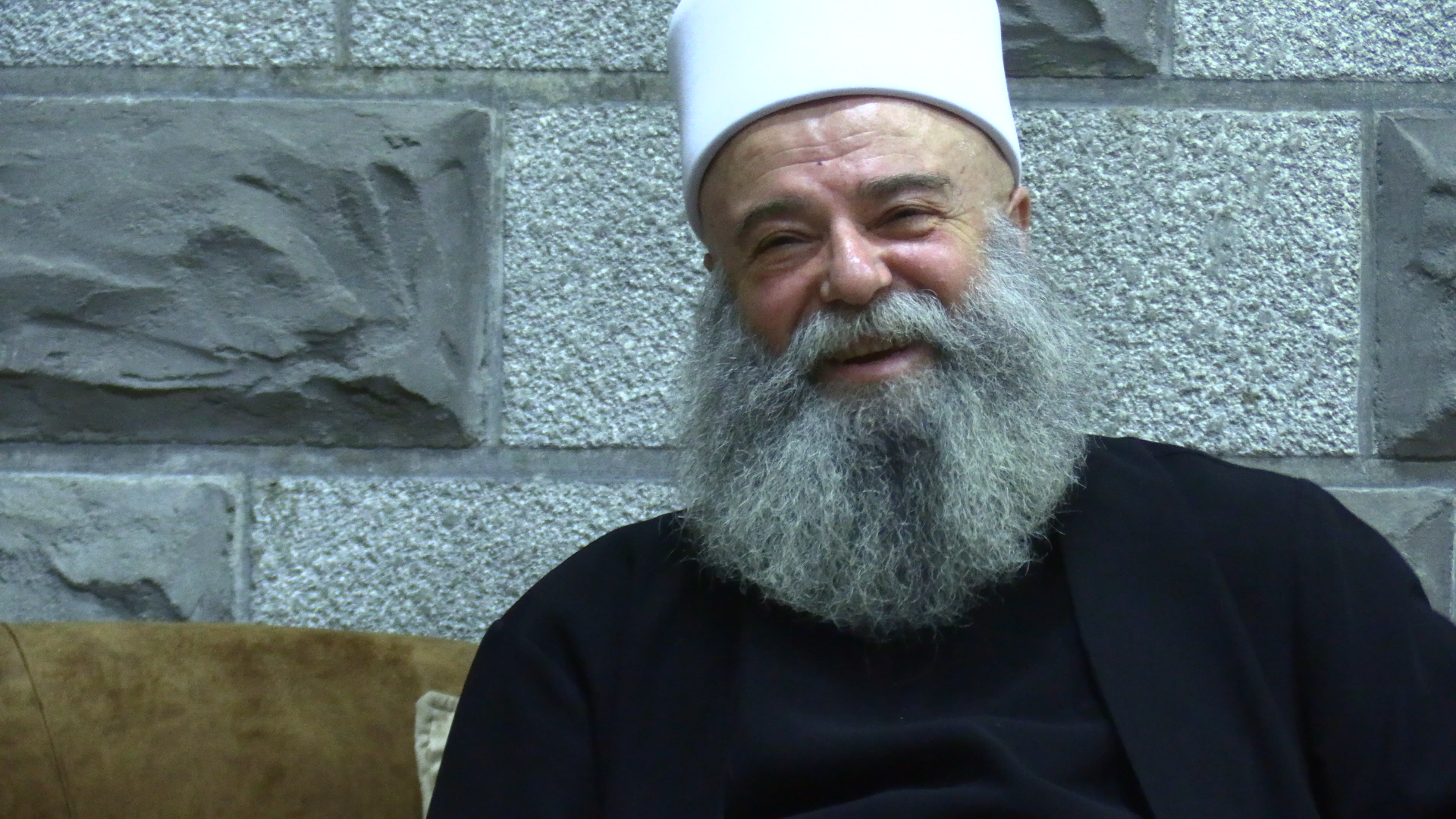
The shots of the men who dominate this world are distant, and our connection with them is formal: it will be up to Khuzama to define them and tell us what she thinks of them and what they represent. They will appear in direct interviews, indoors (leaders) or in the street (ordinary citizens and fighters).
The mountain itself is filmed as a character. Its volcanic textures, shifting light, and open horizons contrast with the claustrophobia of siege and violence. Sound design emphasizes wind, footsteps, distant gunfire, and silence, grounding the viewer in physical space. Songs and music from the region provide occasional accompaniment.
Violent events will be broadcast with the aim of not visually shocking the viewer, but will nevertheless convey their traumatic nature, in particular by focusing on the soundtrack rather than the image, while avoiding sound effects as much as possible.
Editing follows chronological time, allowing reality to unfold without retrospective manipulation. Testimonies are allowed to contradict one another, reflecting the complexity of a community under pressure.
The film avoids propaganda and romanticization. It seeks to show both the strengths and limits of the Druze community, honoring their values while acknowledging internal tensions and political ambiguities.
Ultimately, the artistic ambition is modest yet urgent: to make a forgotten place visible, to restore human presence to abstract news narratives, and to invite viewers not just to understand—but to feel.